


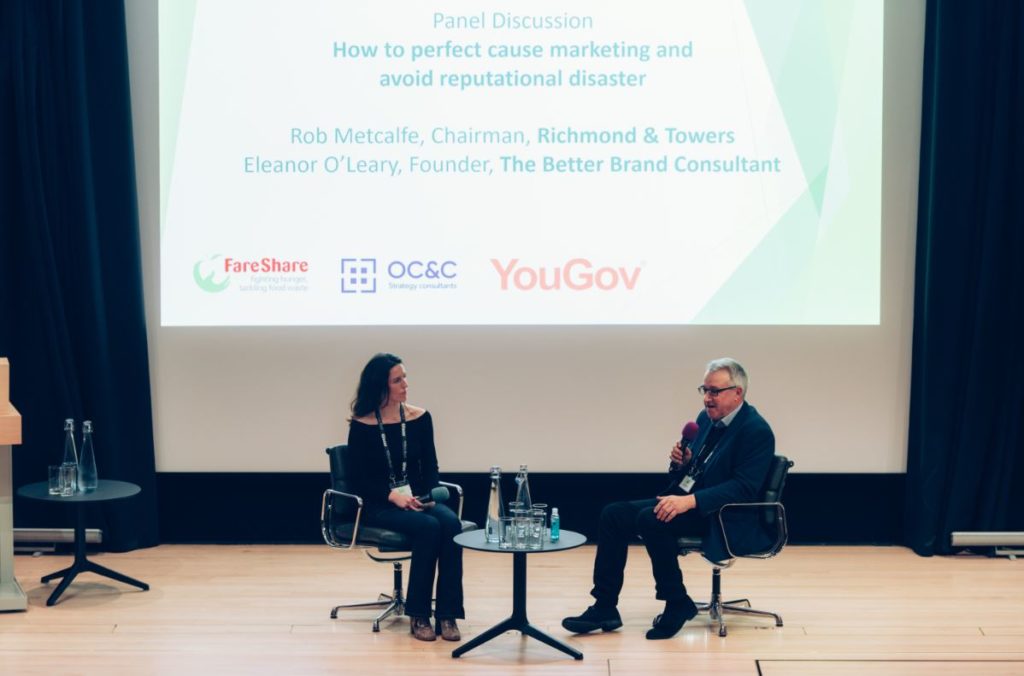
Much was made at last week’s Grocer Conference – How to have a purpose: The role of ethics for your business and your brands – of the new dynamic in business: that making profits for shareholders is no longer sufficient as a corporate purpose and that there is a whole heap of societal benefits that companies should be striving to achieve too. Of course, the room was full of believers, and out in the real world I am sure there are still many businesses that rarely look beyond the bottom line.
If that’s the case now, it is set to
change. Regardless of the impact of coronavirus, people are increasingly
looking to business to show social leadership, to contribute to the greater
good beyond the nuts and bolts of day-to-day commerce.
Some brands have lofty ambitions,
though none less worthy for that. We heard from Tony’s Chocalonely on its
remarkable mission to abolish slavery in chocolate production – that’s all
chocolate production, not just for its own brand. Others are more modest, but
all share the qualities of empowerment and enablement, using business success
to achieve a greater benefit for all.
I made a brief appearance onstage to
comment on good and bad purpose-led marketing (and was gratuitously rude about
one of the earlier speaker’s campaigns; apologies Pot Noodle) and the
difference between the two is usually pretty clear. Good purpose is embedded
throughout a company, and if it emerges as part of a marketing campaign, it’s
because it’s integral and not an add on. Ineffectual, or even damaging purpose
marketing usually comes when a current social theme is grafted on to a
marketing campaign without any apparent reason.
Over the next few weeks and months, purpose for some companies and brands will be tested as never before. When it’s a fight for survival in a chaotic market it must be easy for all those touchy-feely principles to seem like a nice-to-have rather than a must-have. My bet is that companies with genuine purpose will fare better than the profit-at-all-costs merchants. They will treat their employees with respect and dignity – even in the most difficult of circumstances – and as they emerge from the other side of this crisis, they will retain, and even build on, the loyalty of their customers and suppliers.
Navigating the fast-paced media landscape requires a dedication to innovation and a deep grasp of industry trends. At the heart of this transformation is Artificial Intelligence (AI), a total game-changer reshaping how we handle tasks and workflows. If the thought of this new ‘co-worker’ freaks you out as much as… Read more

We’ve delved into the minds of some of the biggest brand innovators around to uncover their secrets of success and inspiration. Brands aren’t just threads in life’s fabric; they’re engines of inspiration. Behind these brands are some of the world’s most influential leaders, driving change and innovation. That’s why we’ve… Read more
It’s no secret that we’re currently living through the age of social media, where platforms such as TikTok have become more than just entertainment hubs with viral dances and comedic skits — but now a powerful marketing influence that’s totally shaping consumer behaviours and trends, particularly in world of grocery… Read more